


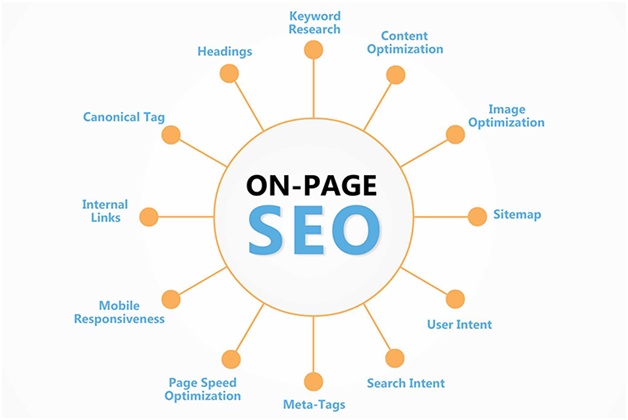
Running a small business website doesn’t require a huge marketing budget to appear on search engines. What truly makes a difference is Strong on-page SEO . When your pages are properly optimized, search engines can better understand your content — and potential customers can easily find your business online.
Whether you provide services, sell products, or manage a local store, these practical on-page SEO strategies can help you improve rankings,Increase traffic and generate more leads.
1. Perform Smart Keyword Research
Before creating any page or blog post, you must know what your audience is searching for.
Focus on:
Primary keywords (example: digital marketing agency in US)
Long-tail keywords (example: affordable digital marketing agency for startups in US)
Location-based keywords for local targeting
Use tools like Google Keyword Planner, Ubersuggest, or similar platforms to check search volume and competition.
Pro Tip:
Choose keywords that have decent search volume but lower competition — especially if your website is new.
2. Optimize Title Tags Properly
Your title tag is the first thing users see in search results. It directly impacts both rankings and click-through rate.
Best practices:
Keep it under 60 characters
Add your main keyword naturally
Make it benefit-focused and clear
Example:
Affordable SEO Services for Small Businesses in USA
A strong title increases the chances of users clicking your link instead of competitors’.

3. Craft Engaging Meta Descriptions
Meta descriptions may not directly boost rankings, but they strongly influence whether someone clicks your page.
Keep in mind:
150–160 characters length
Include your primary keyword
Add a clear call-to-action
Example:
Improve your website ranking with affordable SEO solutions designed for small businesses. Contact us today!
Think of your meta description as a short sales pitch.
4. Use Clear Header Structure (H1, H2, H3)
Proper heading structure improves both SEO and readability.
Guidelines:
Use only one H1 per page
Organize sections with H2 and H3
Add keywords naturally inside headings
Search engines use headings to understand your page hierarchy, so keep it organized and logical.
5. Create Valuable, User-Focused Content
Content remains one of the most powerful ranking factors.
To stand out:
Solve real problems
Write detailed, original content
Match the user’s search intent
Avoid keyword stuffing
Always prioritize writing for people first — not just search engines.

6. Keep URLs Short and Clean
A simple URL structure improves user trust and search engine visibility.
Good URL example:
yourwebsite.com/small-business-seo-tips
Avoid confusing URLs like:
yourwebsite.com/page?id=5678
Use short, descriptive, keyword-based URLs whenever possible.
7. Optimize Images Correctly
Images improve engagement but can slow down your website if not optimized.
Make sure to:
Compress images to reduce file size
Use descriptive file names
Add relevant alt text
Example:
Instead of IMG123.jpg, use small-business-seo-guide.jpg
Alt text helps search engines understand images and also improves accessibility.
8. Improve Website Loading Speed
Page speed is an official ranking factor. Slow websites increase bounce rate and reduce conversions.
To improve speed:
Compress images
Enable browser caching
Choose reliable hosting
Remove unnecessary plugins
You can test your site using Google PageSpeed Insights.
9. Ensure Mobile-Friendliness
Most users browse websites through mobile devices. Search engines now use mobile-first indexing, meaning your mobile version is prioritized.
Make sure your website has:
Responsive design
Fast loading on mobile
Easy-to-click buttons
Simple navigation
A mobile-optimized website improves both rankings and user experience.
10. Use Internal Linking Strategically
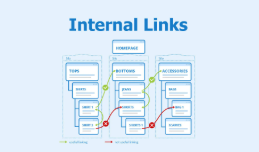
Internal linking connects your content and helps search engines crawl your site more effectively.
Best practices:
Link to relevant blog posts or service pages
Use descriptive anchor text
Avoid excessive linking
For example, if you publish a blog about keyword research, link it to your Local SEO or Content Marketing page.
Bonus Tip:
Focus on User Experience (UX)
On-page SEO is not just about technical improvements — user experience matters equally.
Improve:
Clear navigation
Simple layout
Readable fonts
Strong call-to-action buttons
When visitors spend more time on your website and engage with your content, search engines take it as a positive signal.
Final Thoughts
On-page SEO forms the backbone of a successful small business website. By optimizing your titles, content, images, URLs, and internal links, you can significantly improve search visibility without relying heavily on paid advertising.
Consistent optimization, quality content, and a user-focused approach will help your business grow organically over time.